Cart
0
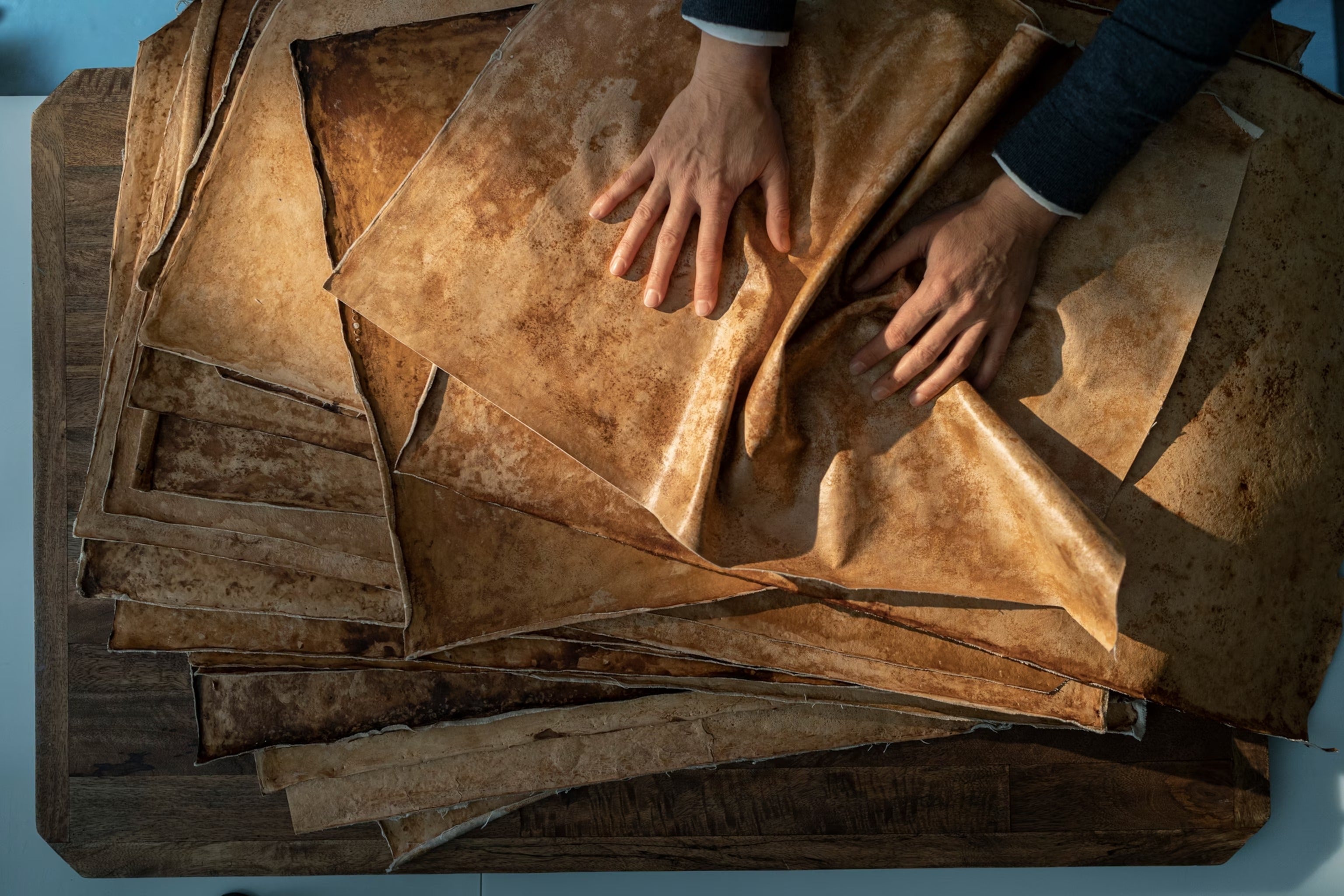
As sustainable alternatives to animal products gain popularity, mushroom leather—made from mycelium—is quickly emerging as a game-changing material in fashion, furniture, and design.
What Is Mushroom Leather?
Mushroom leather is made by growing mycelium—the root-like network of fungi—on agricultural waste. Once harvested, the mycelium is processed into a leather-like material that’s soft, strong, and biodegradable. Unlike animal leather, no animals are harmed, and unlike most faux leathers, no plastics or petroleum products are used.
Why It’s Revolutionary:
-
Eco-Friendly: Mushroom leather production uses far less water, land, and energy than animal leather. It also avoids the toxic chemicals used in traditional tanning.
-
Biodegradable: Unlike PU or PVC leather alternatives, mycelium leather breaks down naturally.
-
Customizable Texture: It can be processed to feel like suede, smooth leather, or even cork-like materials—making it versatile for many uses.
Who’s Making It?
Leading innovators in the field include:
These companies are collaborating with fashion giants like Adidas, Stella McCartney, and Hermès to bring mushroom leather to the mainstream.
The Future Looks Fungal
While mushroom leather still faces challenges—like mass production scalability and long-term durability—it represents a promising future for sustainable design. As the technology matures, we may see mycelium materials becoming a staple in everyday products.
To learn more, visit the full article from Mycelium Society.