Cart
0
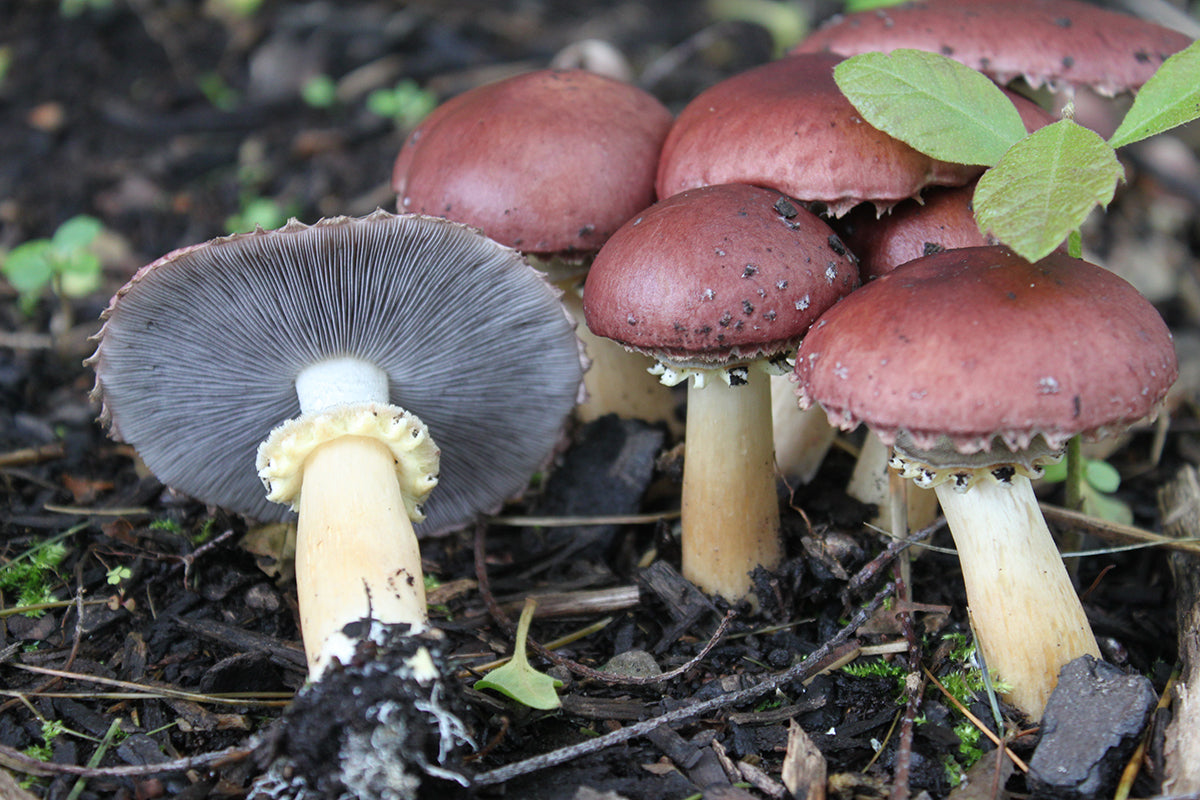
When most people think of mushrooms, their mind drifts to button mushrooms in the grocery store or gourmet oyster mushrooms at a farmer’s market. But tucked away in the soil of many community gardens and backyard patches is one of the most approachable, resilient, and rewarding mushrooms to grow: the Wine Cap mushroom (Stropharia rugoso-annulata).
Also called “Garden Giant” or “King Stropharia,” Wine Caps aren’t just big—they’re also delicious, easy to cultivate, and beneficial for the soil. If you’ve been curious about starting your own mushroom patch, Wine Caps may be the perfect entry point.
What Makes Wine Caps Special?
Unlike delicate mushrooms that require precise indoor conditions, Wine Caps thrive outdoors, often in mulch or wood chips. Their robust nature makes them a favorite among beginner growers. Once established, a Wine Cap bed can continue producing for years with minimal maintenance.
These mushrooms are also stunning: their caps have a deep burgundy hue when young (hence the name “Wine Cap”), eventually fading to a tan as they mature. Their gills shift from gray to purple-brown as the spores ripen.
But beyond their looks, Wine Caps offer:
-
Hearty yields (sometimes up to several pounds from one bed).
-
Soil health benefits, as their mycelium breaks down organic matter and improves fertility.
-
A mild, nutty flavor, perfect for sautés, soups, and roasted dishes.
How to Grow Wine Caps
The process is surprisingly simple. According to the excellent Wine Cap Grow Guide from Everything Mushrooms (which inspired this overview), all you need is a shaded garden bed, fresh wood chips or straw, and some Wine Cap spawn.
Steps to success:
-
Choose your location – Wine Caps prefer partial shade, such as under fruit trees, beside shrubs, or in a mulched garden path.
-
Prepare the substrate – Spread a 3–6 inch layer of fresh hardwood chips, straw, or a mix.
-
Inoculate – Break up your Wine Cap spawn and spread it evenly through the substrate.
-
Layer and water – Cover with more mulch and keep the bed moist (not soggy).
-
Patience pays – In a few months, you’ll notice thick white mycelium spreading through the bed. Soon after, the first burgundy caps will appear.
Once established, a Wine Cap bed can keep producing for 2–3 years, with new flushes after rains.
Cooking with Wine Caps
These mushrooms are as versatile as they are beautiful. Their flavor is often compared to asparagus or potatoes—earthy, nutty, and mild.
Try:
-
Grilling thick slices with olive oil and herbs.
-
Sautéing with garlic and butter as a pasta topper.
-
Adding to hearty soups and risottos.
Pro tip: Harvest them young, while the caps are still burgundy. Mature mushrooms can get waterlogged and lose flavor.
Why Grow Wine Caps at Home?
Growing Wine Caps isn’t just about food—it’s about building a more sustainable relationship with fungi. By cultivating mushrooms at home, you:
-
Reduce your reliance on industrially farmed produce.
-
Enrich your garden soil naturally.
-
Connect with the fascinating world of mycelium, the “hidden network” that sustains ecosystems.
At Saiko Mushrooms, we believe fungi are more than food—they’re a bridge to healthier communities and healthier ecosystems. Wine Caps are a beautiful first step into this world.