Cart
0
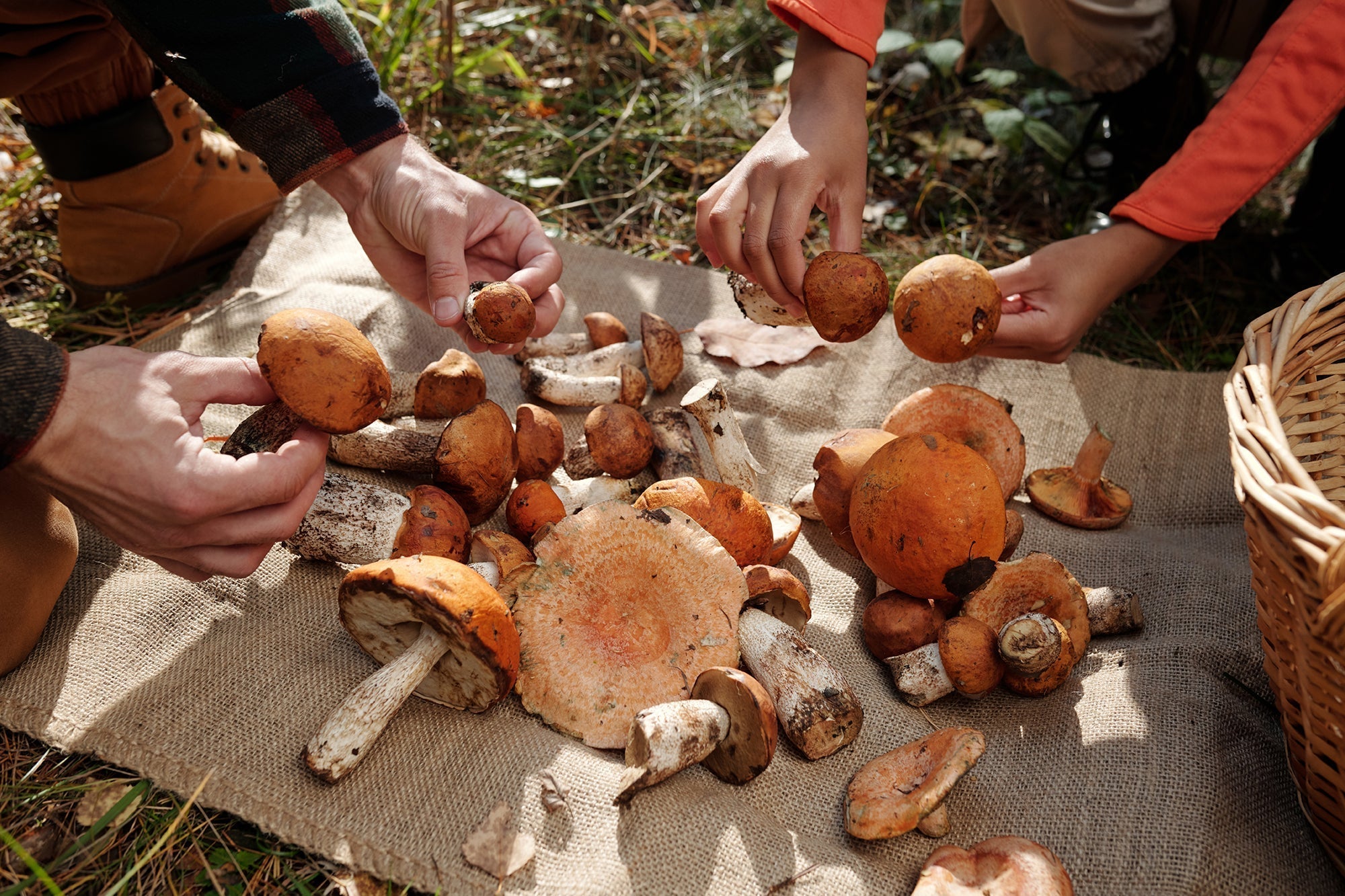
Mushroom foraging is a beautiful way to connect with nature, but it comes with a responsibility to protect the ecosystems we explore. Ethical foraging helps preserve wild mushroom populations, supports the health of forest floors, and respects the role fungi play in biodiversity.
Here’s how to forage responsibly:
1. Harvest Selectively
Pick only mushrooms that are in good condition—fully mature, not too old, and not too small. Avoid harvesting damaged, tiny, or past-prime specimens. These are better left to continue sporing or serve as food for wildlife.
2. Leave Plenty Behind
It’s good practice to harvest only half of what you find in a given patch. This ensures mushrooms can release spores and continue to thrive in future seasons. Many species reproduce locally, so leaving them behind helps maintain the population.
3. Tread Gently
Be mindful of where you step. Trampling the undergrowth or disturbing moss and plants can damage delicate mycelial networks beneath the soil. These underground systems are vital for the mushroom’s lifecycle and forest health.
4. Know Your Mushrooms
If you aren’t 100% sure of a mushroom’s identity, don’t pick it. Harvesting endangered or rare species—whether intentional or not—can lead to long-term ecological impacts. Always forage with a field guide or trusted expert.
For a deeper dive, read the original post on the Mycelium Society website.